
Planning a trip to Japan is an exciting venture, but it comes with its own set of unique logistical challenges, particularly regarding communication. While the digital landscape has made it easier to book accommodations and services, there are nuances every traveler should understand before arriving.
Online Reservations vs. In-Person Reality
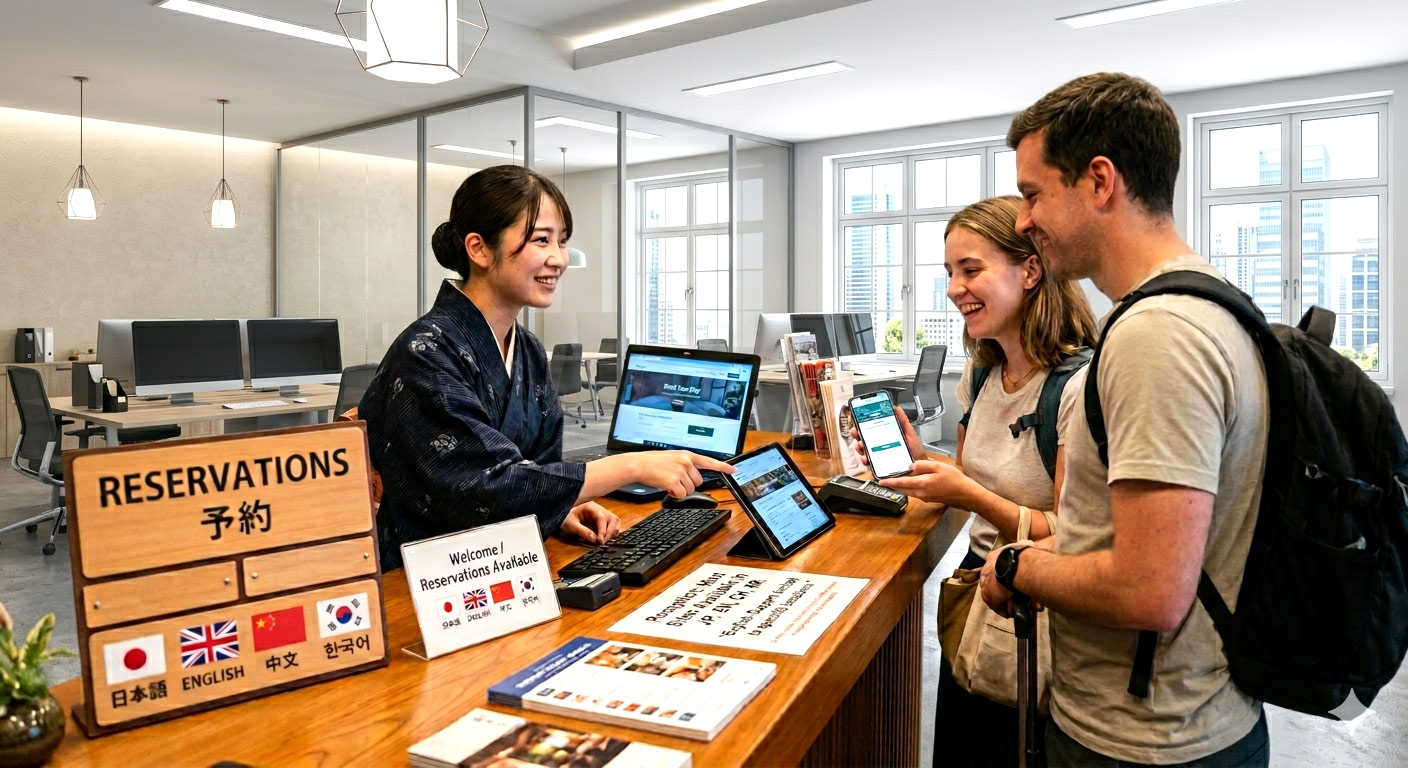
Most modern establishments allow you to make reservations through their official websites. These platforms are generally user-friendly and offer multilingual support, typically available in Japanese, English, Chinese, and Korean. This digital accessibility often gives tourists a false sense of security regarding the language spoken on-site.
The English Language Misconception
A common mistake among international visitors is assuming that English is widely spoken across the archipelago. In reality, while signs and menus in major cities are often bilingual, fluent English support is still relatively rare. Reception services vary significantly; while luxury hotels might have dedicated English-speaking staff, many boutique inns, local restaurants, and traditional ryokans provide service primarily in Japanese.
Strategies for Seamless Communication
This gap in verbal communication can lead to misunderstandings or delays during check-in and daily interactions. To ensure your trip runs smoothly, it is highly recommended to carry a portable translator or utilize reliable translation apps on your smartphone. Having a digital tool at your disposal will help bridge the gap, streamline your requests, and respect the local pace of service.