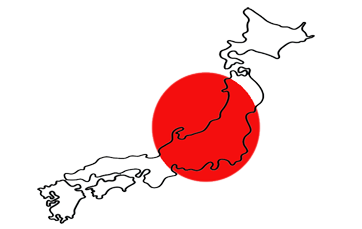



Driving in Japan is a unique experience that demands strict discipline and a deep respect for local laws. To ensure a safe trip, you must prioritize these critical regulations.
The Fundamentals: Left-Side Driving
The most immediate change for many is that traffic moves on the left. This means the driver’s seat and controls are on the right.
- Turning on Red: This is strictly illegal. You must wait for a green light or a green arrow to turn.
- Railway Crossings: You are legally required to come to a full stop before any train tracks, regardless of whether a train is approaching.
Zero Tolerance for Alcohol
Japan enforces a zero-tolerance policy for driving under the influence. The legal limit is effectively $0.00\%$.
- Passengers Beware: In Japan, passengers can also be fined or arrested if they knowingly ride with a driver who has consumed alcohol.
Critical Signs and Speed
- The Stop Sign: Look for an inverted red triangle with the text “止まれ” (Tomare). You must come to a complete halt behind the line.
- Speed Limits: Generally low. Urban zones are usually 30–50 km/h, while expressways range from 80–100 km/h.
- Pedestrians: They always have the absolute right of way. Drivers must be extremely cautious at all crosswalks.
Legal Requirements
You cannot drive with a standard foreign license alone. You must carry a valid International Driving Permit (IDP) issued under the 1949 Geneva Convention, along with your original license and passport.
Pro Tip: It is customary to flash your hazard lights briefly as a “thank you” to other drivers when they let you merge.
